
How Digital Solutions Are Reshaping Malaysia’s Precision Manufacturing Industry
Malaysia’s manufacturing sector has spent the past decade building something the rest of Southeast Asia is now paying attention to. The country moved early into electronics and automotive supply chains, then built up the infrastructure and engineering talent to handle technically demanding work. What was once a cost play (cheap labor, reliable output) has become harder to replicate: a concentration of skilled trades, advanced tooling, and production capabilities that global OEMs can’t easily source elsewhere.
That shift didn’t happen in isolation. It ran alongside a broader change in how manufacturers think about reaching customers, communicating capability, and competing at scale. Companies that once relied on word-of-mouth referrals and trade show contacts are finding that buyers now start the search online. For manufacturers operating at the precision end of the market, the quality of their digital presence is increasingly tied to their ability to win new contracts.
Why Precision Manufacturing Companies Are Investing in Digital Presence
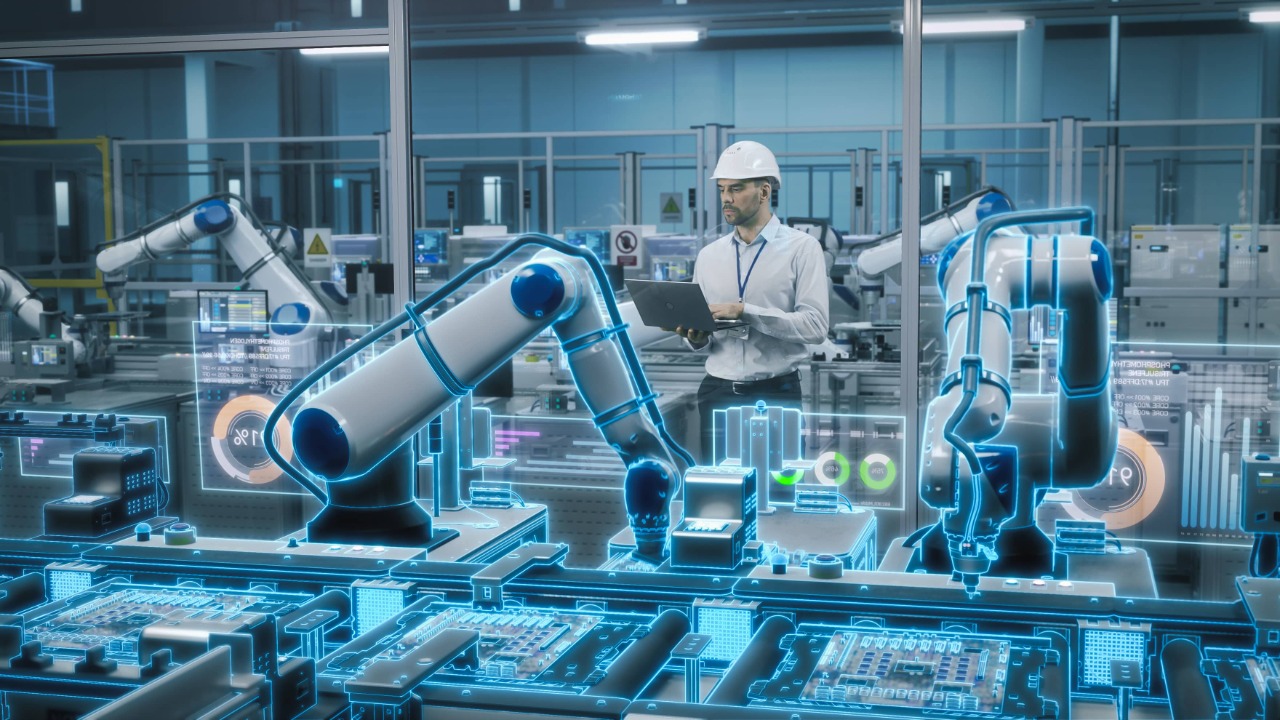
The connection between machining tolerances and website design sounds like it shouldn’t exist. But manufacturers offering precision injection molding in Malaysia have found that technical buyers (engineers, procurement managers, product developers) arrive at a supplier’s homepage already knowing what they want. What they’re assessing is confidence: does this company look like it operates at the level it claims? A poorly organized site or thin capability pages answer that question badly.
NIST’s resources on ISO and quality management for manufacturers consistently point to certification and process documentation as factors that directly influence whether a company qualifies for contracts in regulated sectors. That’s a manufacturing finding with direct implications for how a company’s digital materials are structured. A buyer wanting to verify your ISO status should be able to do so without making a phone call.
Getting the digital side right takes more than updating a company description. It means mapping the full buyer journey, understanding what search terms engineers actually use when sourcing suppliers, and building pages that answer specific technical questions rather than recycling sales language.
What the Buyer’s Digital Path Actually Looks Like

A purchasing engineer at a medical device company or automotive tier-one doesn’t start a supplier search the way a retail consumer does. They’re not browsing. They have a part geometry, a material spec, and a production volume in mind. They run two or three targeted searches, look at who appears, and spend maybe four minutes per site deciding whether to send an enquiry.
Those four minutes are shaped almost entirely by structure. Can they find your capability list without clicking three levels deep? Is your tolerance range stated anywhere, or buried in a PDF? Does your contact form ask for a project brief, or just a first name and phone number?
Manufacturers that have thought carefully about this sequence and rebuilt their site architecture around it consistently report higher enquiry quality, not just higher volume. The buyer self-selects because the site gave them enough to assess whether there’s a fit. That cuts time wasted on initial calls and accelerates qualification on both sides.
Digital Tools That Are Actually Moving the Needle

There’s a practical question that sits behind all of this: what does “digital investment” actually mean for a manufacturer? The answer varies by company size and sales model, but a few tools have proven consistently useful across the precision manufacturing space, regardless of whether a company is chasing automotive, electronics, or medical device contracts.
Technical landing pages built around specific processes (mold design, material grades, secondary operations) outperform generic “what we do” pages in both search rankings and conversion rates. Buyers searching for a specific process want a page about that process, not a company overview. As outlined in recent injection molding polymer research published by NIH, process transparency and material documentation correlate with quality assurance expectations in precision polymer manufacturing.
Project portfolios with actual specifications (part complexity, cycle time, material grade) do the work that testimonials can’t. A testimonial says a company did good work. A portfolio page with a tolerance chart says what kind of work, specifically.
How Malaysia’s Manufacturing Position Changes the Digital Calculus
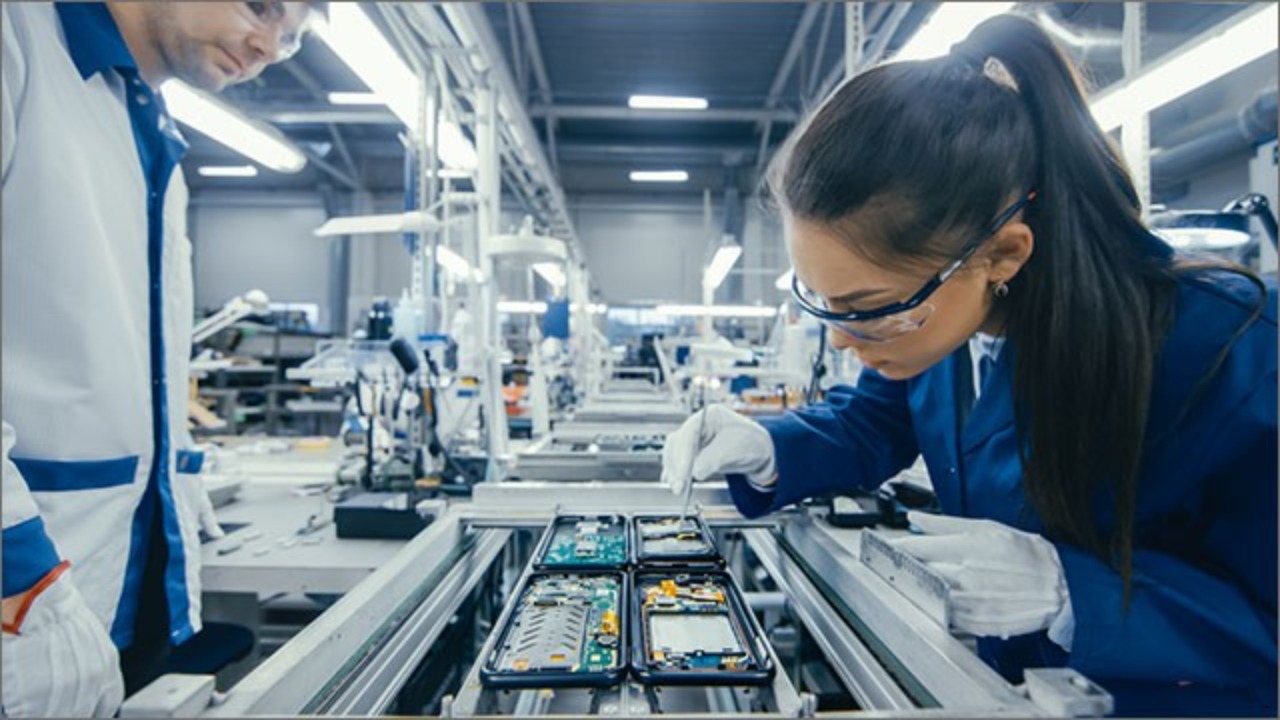
There’s a geography element here that’s easy to underestimate. Malaysia’s manufacturing cluster (Penang, Johor, and the Klang Valley) gives companies there a credibility signal they don’t have to build from scratch. Buyers who know the region understand what it implies: established supply chain infrastructure, proximity to key electronics OEMs, a workforce grown inside demanding production environments.
But that credibility doesn’t travel automatically. A buyer in Stuttgart or San Jose encountering a Malaysian supplier for the first time has no frame of reference unless the site provides one. Placing the company explicitly in that cluster (with reference to industries served, certifications held, and types of components produced) turns regional reputation into something a first-time visitor can actually evaluate.
Companies that skip this step leave a lot of hard-won regional advantage unused. The manufacturing expertise exists; the engineering capability is real. The digital infrastructure to communicate it often doesn’t match, and that gap is something a competitor with a better-organized site will fill.
What the First Year of Digital Focus Should Actually Cover

Companies that make real progress on digital presence in the first year tend to share a few habits. They pick two or three core capabilities and build pages specifically around those, rather than trying to describe every process on one page. They establish a content cadence (one technical post per month is enough to build a meaningful body of indexed material over a year). They fix the mobile experience, because a site that falls apart on a phone screens out buyers who are checking suppliers from a trade show floor.
SEO for industrial companies is narrower than it sounds. Keyword volumes are low, but so is competition. A well-structured capability page for a specific process in a specific geography can rank quickly and hold that position. The buyer pool for a component manufacturer is never going to be millions of people. The goal is visibility to the right few hundred who are actually searching, at exactly the moment they’re searching.