

How to Choose the Right Metal Stamping Supplier for Your Business
Metal stamping plays a critical role in industries ranging from automotive to electronics. Selecting a reliable supplier influences not only product quality but also production efficiency and cost control. Businesses that partner with skilled providers often see long-term gains in consistency, scalability, and innovation. Companies like Beyonics demonstrate how advanced capabilities and precision can help clients stay competitive in global markets. Knowing how to choose a precision metal stamping supplier gives any organization an edge when demand and expectations continue to rise.
The decision should never be rushed. A supplier becomes more than a vendor; they evolve into a partner who contributes to growth, efficiency, and customer satisfaction. By focusing on expertise, technology, compliance, and service quality, businesses can reduce risks and set themselves up for stronger results.
Evaluating Technical Expertise
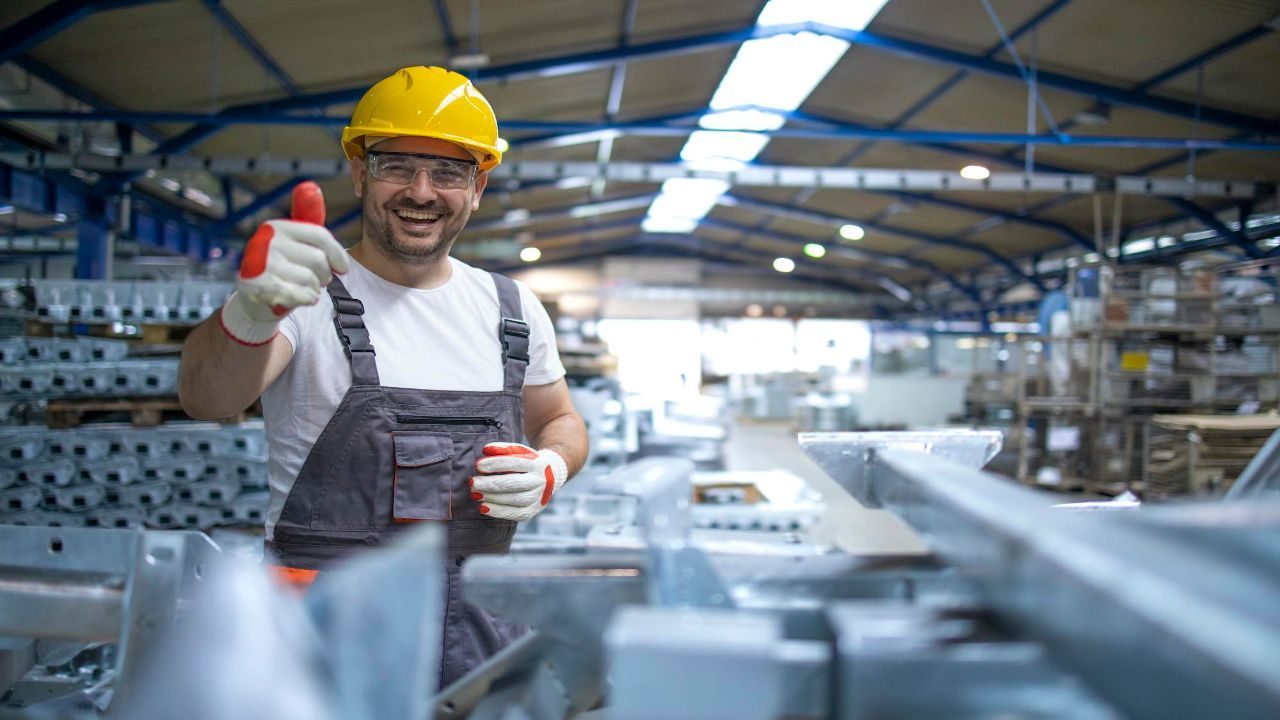
The first area to examine is a supplier’s technical foundation. Metal stamping requires precision in tooling design, press operation, and material selection. A supplier with in-house tool design and engineering teams usually provides more accurate and cost-effective solutions. Look for evidence of experience in your industry. For instance, suppliers with automotive backgrounds may offer advanced tolerance capabilities, while those in electronics can excel in producing micro-components.
It is also worth assessing how the supplier adapts to complex geometries, intricate designs, or specialty alloys. Some suppliers maintain strong expertise in high-strength steels, while others focus on lightweight metals such as aluminum or copper. The more diverse their technical knowledge, the better equipped they are to handle varied production demands without delays or quality compromises.
Assessing Manufacturing Capabilities
Capabilities often determine how well a supplier can match your current and future production needs. Ask about press ranges, tonnage capacity, and production scalability. A partner with both high-volume transfer presses and smaller progressive dies provides flexibility to manage different projects without outsourcing. This flexibility reduces risk and maintains consistency.
Another key factor is secondary processes. Many suppliers offer plating, heat treatment, or assembly services. Choosing one that integrates these into their operations can simplify your supply chain and reduce lead times. It also minimizes the risk of errors that often occur when multiple vendors handle different stages of production.
Verifying Quality Standards

Quality is non-negotiable. Certifications such as IATF 16949 or ISO 13485 signal adherence to strict global standards, especially for industries like automotive and medical devices. Ask for proof of compliance and request examples of their quality control systems. Statistical process control, in-line inspections, and automated vision systems demonstrate a supplier’s commitment to excellence.
Beyond certifications, consider how the supplier resolves issues. Do they have a structured approach to corrective actions? Are they transparent about quality metrics? Suppliers who actively share their defect rates and corrective steps build trust and show accountability. Long-term reliability often rests on this culture of transparency.
Examining Supply Chain Stability
Production delays often come from weak supply chains. When evaluating a supplier, investigate how they source raw materials and manage logistics. A supplier with strong partnerships across material providers and transport networks is less likely to face shortages or shipping disruptions.
Resilience is also important. Ask how they handled recent challenges, such as global material shortages or shipping delays. Suppliers with contingency planning, safety stock, and multi-sourcing strategies protect your operations from unexpected risks. This stability can be just as critical as their technical ability.
Considering Innovation and Technology
Metal stamping is evolving with automation, robotics, and digital monitoring. Suppliers who invest in smart manufacturing technologies not only improve efficiency but also reduce costs over time. For example, predictive maintenance systems can prevent downtime, and digital twins can simulate production runs before actual stamping begins.
Innovation also extends to materials and design. Some suppliers collaborate with clients during the product development phase to optimize part design for stamping efficiency. This input can significantly reduce waste, speed up production, and lower total costs. A forward-thinking supplier becomes a partner in innovation, not just production.
Weighing Service and Communication

Strong service often separates good suppliers from great ones. Timely communication, proactive updates, and responsiveness during issues are essential. A supplier should assign dedicated account managers or engineers who act as your point of contact. This personal approach speeds up problem-solving and fosters stronger collaboration.
Transparency in pricing and lead times also matters. Hidden fees or vague delivery schedules create frustration and erode trust. Suppliers who provide detailed quotes and realistic delivery commitments reduce the risk of misaligned expectations. Over time, these qualities shape a relationship that benefits both parties.
Balancing Cost with Value
Cost should not be the only factor. The cheapest option can quickly become the most expensive if defects, delays, or hidden charges emerge. Instead, weigh cost against the total value the supplier provides, including quality, innovation, and service. A slightly higher upfront price can often lead to lower overall costs through reduced waste and fewer disruptions.
It is helpful to run pilot projects or limited production runs before committing to full-scale contracts. These trials reveal how the supplier performs under real conditions. Observing their consistency, responsiveness, and quality in practice helps confirm that the value aligns with the quoted cost.