
How to Pack for a Move Like a Pro and Stay Organized
Moving can be a daunting task, but with the right strategies, it can become a smooth and efficient process. Whether you’re moving across town or across the country, staying organized is key to a successful move. One essential tip is to use high-quality trash bags for decluttering and packing smaller items, which you can find here on our site. Let’s dive into a step-by-step guide on how to pack for a move like a pro and stay organized throughout the process.
Start Early and Plan Ahead
Create a Moving Checklist
The first step to an organized move is creating a comprehensive moving checklist. This list should include all tasks you need to complete before, during, and after the move. A well-structured checklist will help you stay on track and ensure you don’t miss any important steps. It’s a good idea to break it down into weekly goals to make the process manageable and less overwhelming.
For instance, the first week can focus on booking a moving company and gathering packing supplies. The second week can be dedicated to notifying utilities and service providers about your move. As you progress, you can start decluttering your home and packing non-essential items first. A detailed checklist acts as a roadmap, guiding you through each phase of your move and helping you maintain a sense of control and accomplishment.
Set a Packing Timeline
Establishing a packing timeline is another crucial aspect of staying organized during a move. Without a timeline, it’s easy to procrastinate and find yourself rushing at the last minute. Start by identifying a realistic moving date and work backwards from there. Begin packing the rooms and items you use the least, such as the attic, basement, or guest room. These areas often contain items that can be packed well in advance without disrupting your daily routine.
As you progress through your timeline, gradually move on to more frequently used spaces. By spreading out the packing process over several weeks, you can avoid the stress and chaos that often accompanies last-minute packing. This methodical approach also allows you to take your time with each room, ensuring everything is packed securely and thoughtfully.
Gather the Right Supplies
Packing Materials
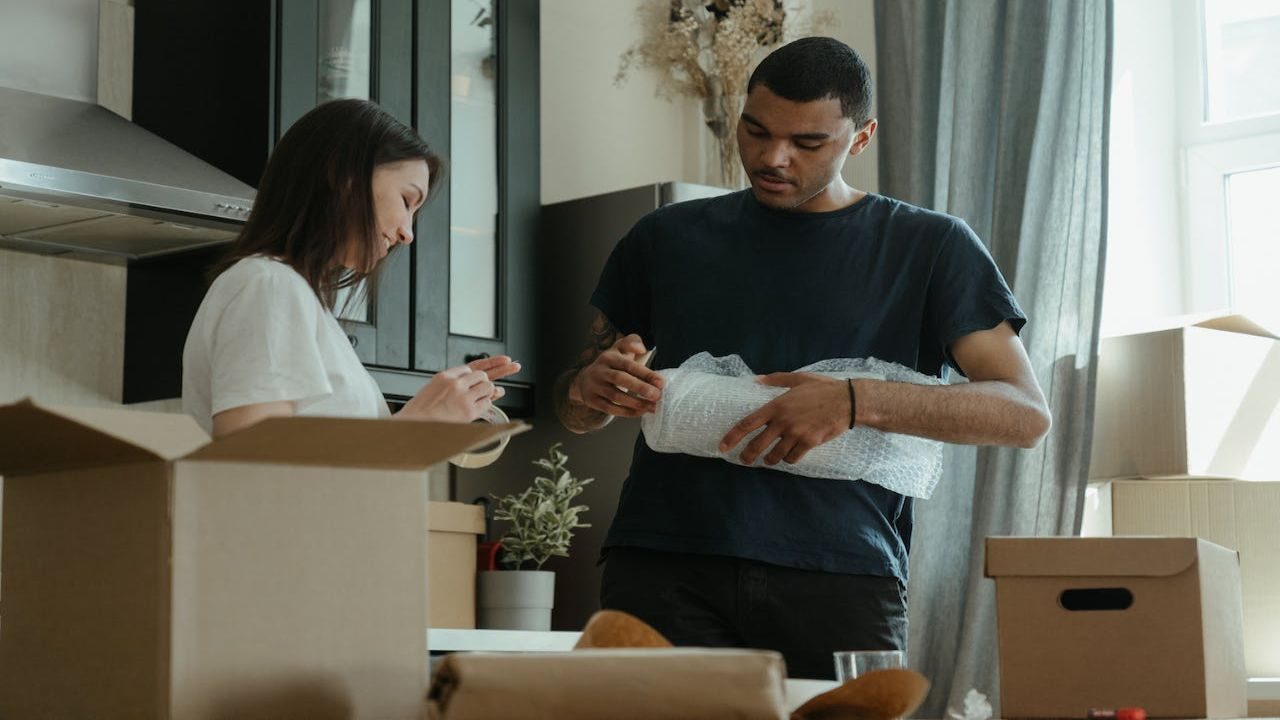
Investing in quality packing materials is crucial to protecting your belongings during the move. You’ll need sturdy boxes in various sizes, packing tape, bubble wrap, packing paper, and markers for labeling. High-quality trash bags are also essential for decluttering and packing smaller items.
Proper supplies not only safeguard your possessions but also make the packing process more efficient. Using subpar materials can lead to damaged items and increased stress, so it’s worth spending a little extra on reliable packing supplies. Additionally, having the right tools at your disposal can streamline the process and help you maintain a systematic approach.
Organize Supplies by Room
To further enhance your organization, keep your packing materials organized by room. For example, designate a specific area in each room for packing supplies. This way, you can easily access what you need without having to search through different rooms.
Having a dedicated space for packing materials in each room simplifies the process and keeps everything within reach. It also reduces the likelihood of misplacing items, which can be particularly frustrating when you’re in the midst of packing. By keeping your supplies organized and readily available, you can maintain a steady pace and ensure that each room is packed efficiently and methodically.
Declutter and Downsize
Evaluate Your Belongings
Before you start packing, take the time to evaluate your belongings. Moving presents a perfect opportunity to declutter and downsize, which can significantly reduce the volume of items you need to transport. Go through each room and decide what to keep, donate, sell, or discard. High-quality trash bags can be incredibly useful during this process, as they allow you to gather items for disposal or donation quickly.
As you sort through your belongings, ask yourself if each item is something you genuinely need or if it’s simply taking up space. This process can be cathartic, helping you let go of unnecessary possessions and make a fresh start in your new home.
Organize a Yard Sale or Donation
Once you’ve identified items you no longer need, consider organizing a yard sale or donating to local charities. A yard sale can help you earn some extra money to offset moving expenses, while donating allows you to give back to the community. Both options also help reduce the number of items you need to pack and move, making the entire process more manageable.
Additionally, a yard sale or donation drive can be a fun way to involve family and friends, turning the decluttering process into a collaborative and enjoyable activity. By finding new homes for your unwanted items, you can feel good about decluttering and make a positive impact at the same time.
Pack Smartly and Efficiently
Label Everything
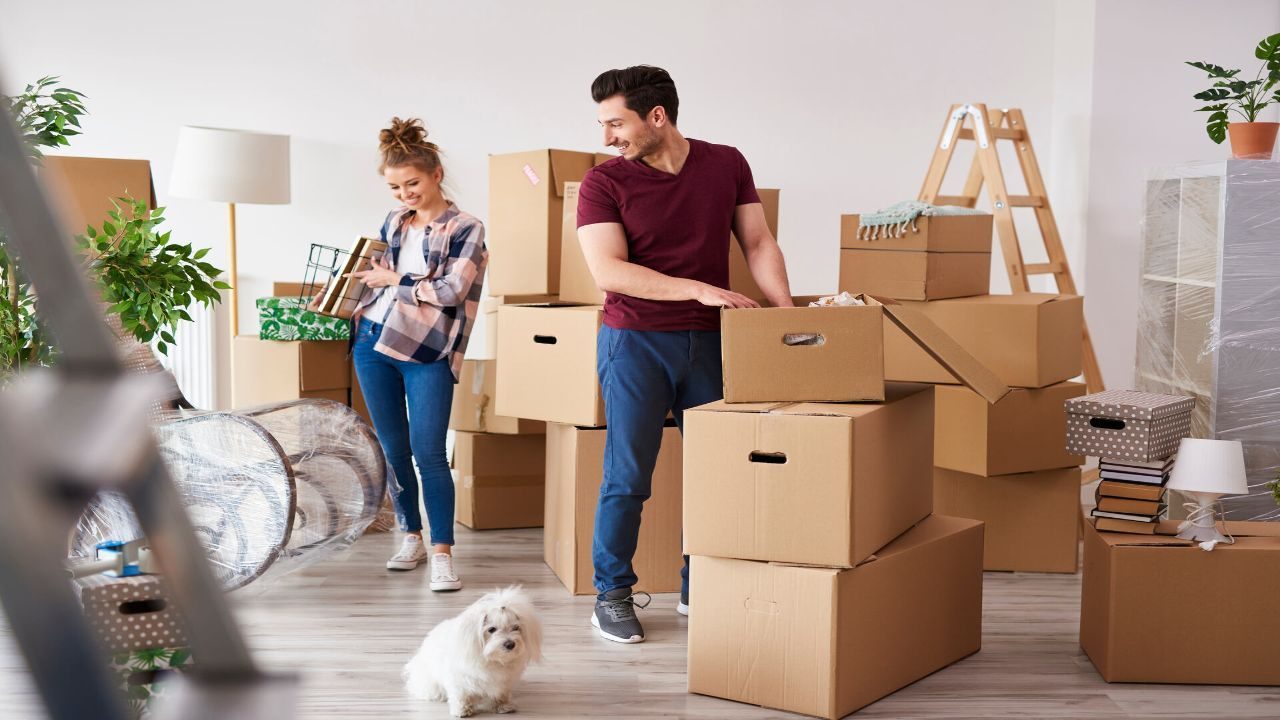
Labeling is a critical component of staying organized during a move. Clearly label each box with its contents and the room it belongs to. This will make unpacking much easier and help you find specific items quickly when you arrive at your new home. Use bold markers and write legibly to ensure labels are easy to read. Consider color-coding boxes by room to add an extra layer of organization.
For example, use blue for kitchen items, red for bedroom items, and green for living room items. This simple system can streamline the unpacking process and help movers know exactly where to place each box.
Pack Room by Room
Packing room by room is an effective strategy to stay organized and prevent confusion. Start with one room and complete it before moving on to the next. This approach helps you maintain focus and ensures that items from different rooms don’t get mixed together. Begin with rooms that are used less frequently, such as the guest room or storage areas, and save the kitchen and bedrooms for last.
As you pack, group similar items together and pack them securely to prevent damage. Use bubble wrap and packing paper for fragile items, and fill any empty spaces in boxes with packing peanuts or crumpled paper to prevent shifting during transit. By packing methodically and carefully, you can protect your belongings and ensure they arrive at your new home in good condition.
Use Quality Trash Bags for Soft Items
High-quality trash bags are excellent for packing soft items like clothing, bedding, and towels. They are flexible, durable, and can hold a large volume of items. Trash bags are also useful for protecting these items from dust and dirt during the move. When using trash bags for packing, ensure they are securely tied and labeled clearly. This simple yet effective strategy can save space in your moving boxes and provide an extra layer of protection for your soft items.
Additionally, using trash bags for packing can help you quickly gather and transport items that don’t require the rigid structure of boxes, making the packing process more efficient and versatile.
Stay Organized on Moving Day
Keep Essential Items Accessible
On a moving day, keep essential items accessible. Pack a separate bag or box with items you’ll need immediately upon arrival at your new home, such as toiletries, a change of clothes, important documents, and basic kitchen supplies. This ensures you have everything you need without having to search through multiple boxes. Label this box or bag as “Essentials” and place it in an easily accessible location.
Having your essentials organized and ready to go can make the first day in your new home much more comfortable and stress-free. It also allows you to take your time unpacking and settling in without feeling rushed or overwhelmed.
Coordinate with Movers
If you’ve hired professional movers, coordinate with them to ensure everything goes smoothly. Provide clear instructions and a detailed inventory of your belongings. Communicate any special handling requirements for fragile or valuable items. Being organized and prepared will help the movers do their job efficiently and ensure your belongings are transported safely.
Additionally, maintaining open communication with your movers can help prevent misunderstandings and ensure that everyone is on the same page. By working together and staying organized, you can make the moving process as seamless and stress-free as possible.
Unpack and Settle In

Once you arrive at your new home, resist the urge to unpack everything at once. Instead, unpack methodically, starting with the essentials and moving on to less critical items. Focus on one room at a time to maintain organization and avoid feeling overwhelmed. Begin with the kitchen and bedrooms, as these are the areas you’ll need to use first.
As you unpack, take the time to organize each space thoughtfully, ensuring everything has a designated place. This approach will help you settle into your new home more efficiently and create a comfortable, organized living environment.
Take Your Time
Moving into a new home is a significant transition, so give yourself time to adjust. Don’t rush the unpacking process; instead, take your time to arrange your belongings in a way that feels right for you. This is an opportunity to create a fresh, organized space that reflects your personal style and preferences. Allow yourself to enjoy the process of settling in and making your new house feel like home. By taking a mindful and deliberate approach, you can create a harmonious and organized living space that sets the tone for your new chapter.