
Opportunities and Benefits of Manufacturing Business Automation
Manufacturing businesses are changing fast. Companies are adopting automation to stay ahead of the competition, improve efficiency, and reduce costs. The IQElectro site is a great example of where businesses can find automation solutions to modernize their operations. With advanced machinery and software, companies can produce more while maintaining quality and safety.
One of the key tools in industrial automation is the 2198-D006-ERS3 | Allen-Bradley Kinetix 5700 Dual-Axis Module. This device helps factories control motion with precision, reducing errors and improving productivity. With automation like this, manufacturing businesses can operate faster and more efficiently than ever before. But what are the real benefits of automation, and how can businesses make the most of these opportunities? Let’s explore.
What Is Manufacturing Automation?
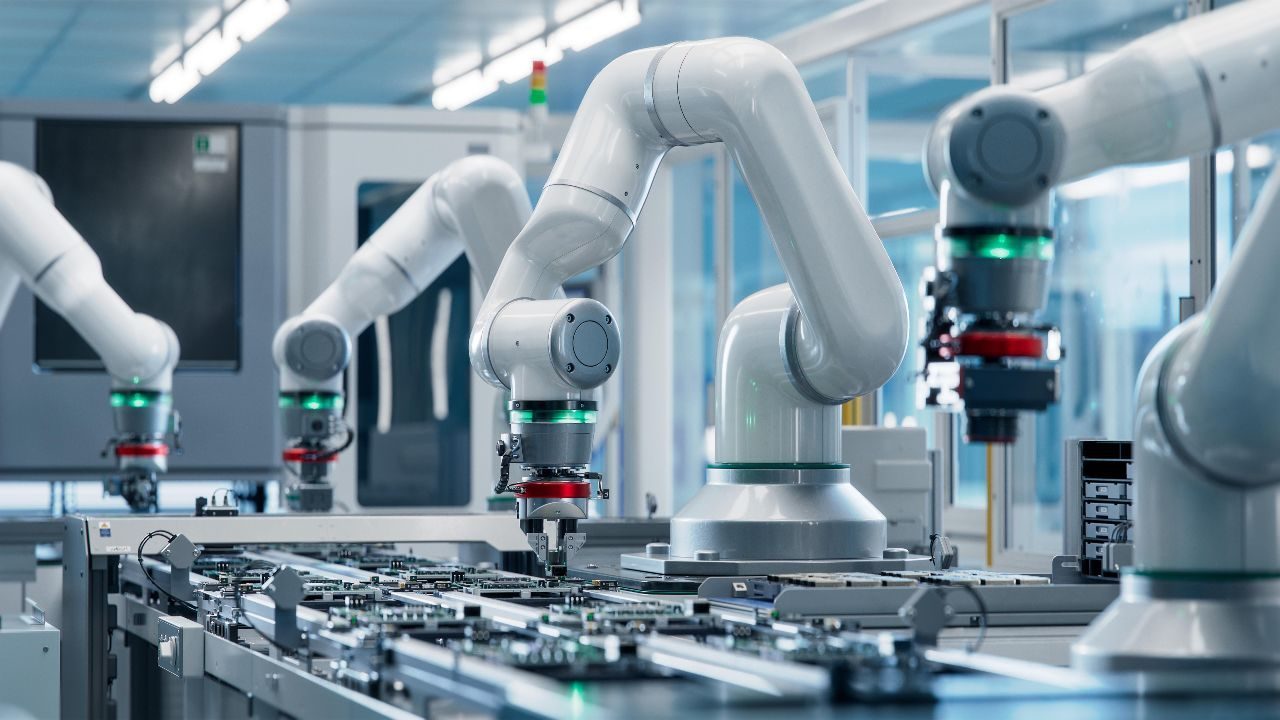
Manufacturing automation uses technology to complete tasks with minimal human intervention. Machines, software, and robotics work together to improve efficiency. Instead of workers manually handling every step of production, automation takes over repetitive and complex processes.
Companies use automation for different reasons. Some want to speed up production, while others need to improve accuracy and reduce waste. Whether it’s assembling products, packing goods, or monitoring quality, automation plays a crucial role in modern manufacturing.
Boosting Productivity and Efficiency
One of the biggest advantages of automation is increased productivity. Machines don’t get tired, work long hours, and complete tasks faster than humans. With automation, businesses can produce more in less time.
Efficiency is another key benefit. Automated systems ensure that every step in the production process runs smoothly. Sensors and software monitor operations in real time, preventing delays and minimizing waste. This leads to better resource management and higher profits.
Reducing Costs and Waste
Automation helps businesses save money in several ways. First, it reduces labor costs by handling repetitive tasks that would require many workers. This doesn’t mean replacing jobs entirely, but rather shifting workers to higher-value roles.
Another major benefit is waste reduction. Automated machines are precise, reducing errors and material waste. This is especially important in industries where small mistakes can lead to significant financial losses. By using automation, manufacturers can cut down on defects and maximize their use of raw materials.
Improving Workplace Safety
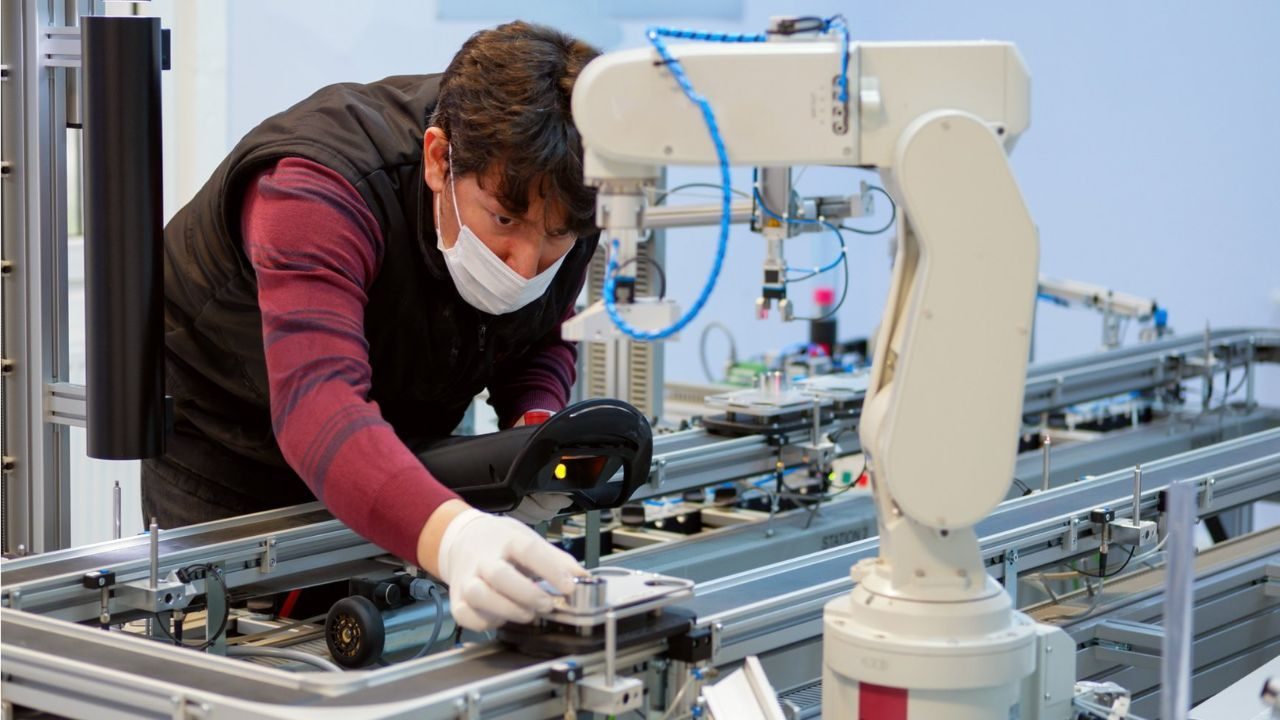
Manufacturing environments can be dangerous, especially when workers handle heavy machinery or hazardous materials. Automation reduces risks by taking over the most dangerous tasks. Robots can handle extreme temperatures, toxic chemicals, and heavy lifting, keeping human workers safe.
Additionally, automated safety systems can detect potential hazards and stop machines before accidents happen. This not only protects employees but also prevents costly downtime due to workplace injuries.
Better Quality Control and Consistency
One of the key challenges in manufacturing is maintaining consistent quality. Human errors can lead to defective products, but automation minimizes these mistakes. Machines follow exact specifications, ensuring that every product meets quality standards.
With advanced automation, businesses can also use AI-powered inspection systems. These systems detect defects that might be invisible to the human eye. As a result, customers receive better products, leading to higher satisfaction and brand loyalty.
Preparing for the Future of Manufacturing
Automation is not just about today; it’s about the future. As technology advances, factories will become even smarter. Artificial intelligence, machine learning, and the Internet of Things (IoT) will play a bigger role in manufacturing.
Businesses that invest in automation now will be better prepared for the future. They will have more efficient operations, lower costs, and a competitive edge in the market. The key is to start small, identify which processes can be automated, and gradually implement new technologies.