How Web Design Shapes the Luxury Real Estate Experience in Mexico
The luxury real estate market in Mexico has exploded in recent years, driven by international buyers searching for second homes, retirement properties, and investment opportunities. For companies like DreamProHomesLuxury, the first interaction most buyers have with a listing is through a screen, making web design one of the most critical factors in converting curiosity into a sale.
A well-designed real estate website does more than look polished. It communicates professionalism, builds trust with unfamiliar audiences, and guides users through the complex process of purchasing property abroad. When buyers are spending six or seven figures on a home they may have never visited in person, every pixel on the page plays a role in that decision.
The Role of Visual Storytelling in Property Listings

Photography and video have always been essential to real estate, but the way those visuals are presented online can make or break a listing. A cluttered gallery with low-resolution images sends a signal that the seller is not serious, while a clean layout with high-quality visuals invites buyers to imagine themselves in the space. This is especially true for international buyers browsing houses for sale in Mexico, where they rely heavily on the digital presentation before committing to a trip.
According to the National Association of Realtors, 95 percent of real estate firms feature property listings as the primary element on their websites. What separates top performers from the rest is how those listings are styled, organized, and made accessible. Thoughtful layout choices, such as full-width hero images and room-by-room galleries, help buyers develop an emotional connection before they ever schedule a showing.
Why Mobile-First Design Matters for International Buyers
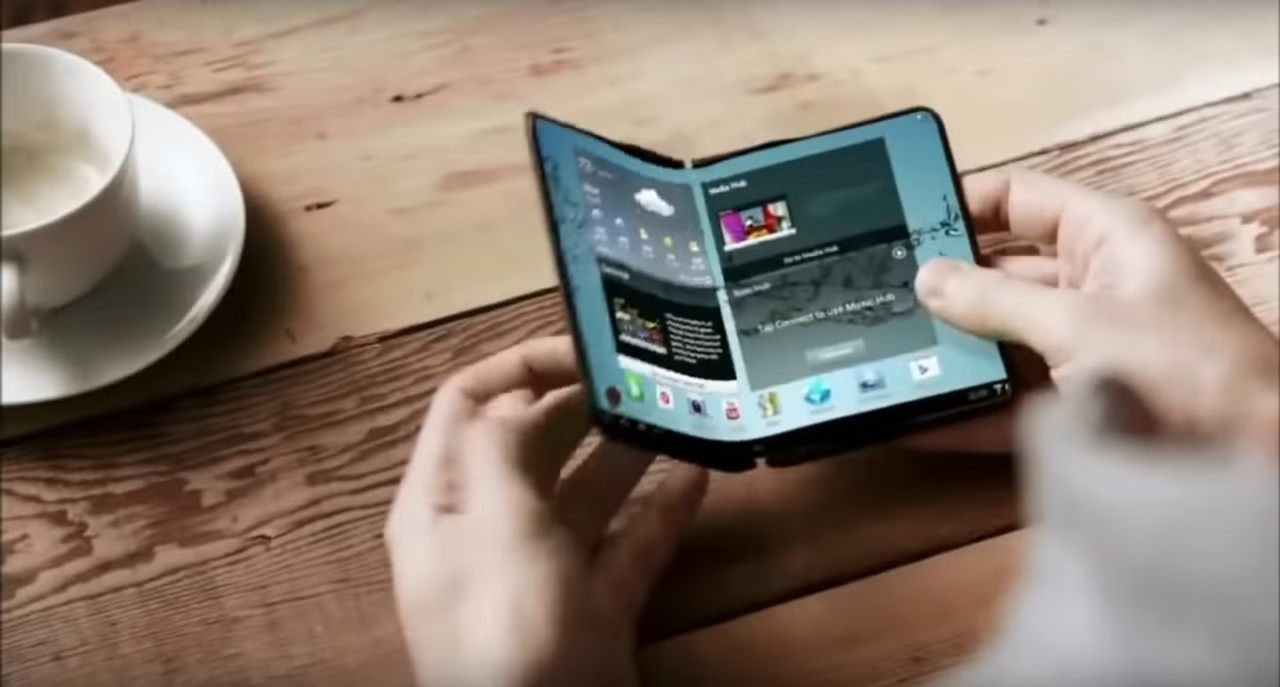
Most international property searches start on a phone. Buyers in the United States, Canada, and Europe often browse listings during commutes, lunch breaks, or late-night research sessions. If a website is not optimized for mobile, it loses a significant portion of its audience within seconds.
Mobile-first design is not simply about shrinking a desktop site to fit a smaller screen. It means rethinking navigation, compressing images without sacrificing quality, and ensuring that contact forms and inquiry buttons are easy to tap. For luxury properties in Mexico, where buyers may be several time zones away, a seamless mobile experience can be the difference between an inquiry and a bounce.
Speed also matters. Pages that take more than three seconds to load see dramatically higher abandonment rates. Compressing media files, leveraging content delivery networks, and minimizing unnecessary scripts are all standard practices that luxury real estate sites should follow.
Building Trust Through User Experience and Transparency

Purchasing property in a foreign country carries inherent uncertainty. Buyers want reassurance that the company they are working with is legitimate, knowledgeable, and responsive. Web design plays a direct role in establishing that trust.
Clear contact information, professional team bios, and verified client testimonials all contribute to credibility. So does a logical site structure that makes it easy to find critical details like pricing, location maps, legal requirements, and financing options. When these elements are buried or absent, buyers move on to a competitor.
Transparency features, such as pricing calculators, neighborhood guides, and legal FAQ sections, show buyers that the company is invested in their experience beyond just closing a deal. According to the U.S. Department of State’s guidance on purchasing property in Mexico, foreign buyers must navigate specific legal structures like fideicomisos (bank trusts) when purchasing in restricted zones. Websites that explain these nuances clearly position themselves as trusted advisors rather than faceless listing aggregators.
Search Engine Visibility and the Luxury Property Market
A beautiful website that nobody can find is a wasted investment. Search engine optimization is the mechanism that connects potential buyers with property listings at the moment they are actively searching. For luxury markets in Mexico, this means targeting specific phrases that reflect buyer intent, such as “beachfront villas in Tulum” or “luxury condos in San Miguel de Allende.”
Technical SEO elements like page speed, structured data markup for property listings, and mobile usability scores all influence how search engines rank a site. Beyond the technical side, content marketing through neighborhood guides, market reports, and blog posts helps establish domain authority and attract organic traffic over time.
Local SEO is another layer that luxury real estate sites often overlook. Claiming and optimizing Google Business profiles, building citations in real estate directories, and earning backlinks from regional travel and lifestyle publications all improve visibility for location-specific searches.
Virtual Tours and Interactive Features That Close Deals
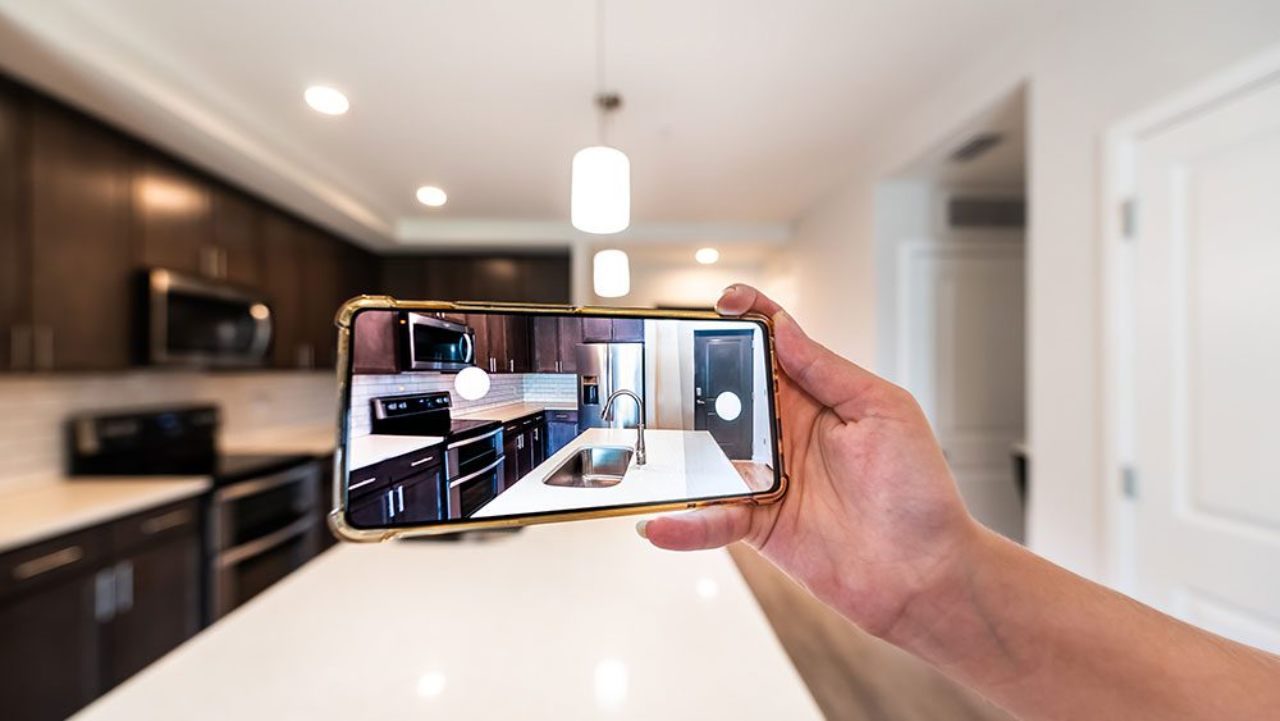
The pandemic accelerated the adoption of virtual tours, and the trend shows no signs of slowing down. For luxury properties in Mexico, where buyers may live thousands of miles away, 3D walkthroughs and drone footage offer an experience that static images simply cannot match.
Interactive floor plans, augmented reality staging, and live video call tours are becoming standard expectations for high-end listings. These features reduce friction in the buying process by giving buyers a comprehensive sense of the property before they commit to traveling for an in-person visit.
The most effective real estate websites integrate these interactive elements seamlessly into their design rather than treating them as add-ons. A dedicated virtual tour page with intuitive controls, room labels, and embedded contact options transforms a passive browser into an engaged lead.